Get Livestock Fencing Installation
Local contractors offer livestock fencing installation services to secure animals, define property boundaries, and support farm or ranch projects.
If you are considering livestock fencing installation, you are in the right place to explore your options. Proper fencing can help define property boundaries, contain animals securely, and protect your land from unwanted intrusions. Many property owners in the area seek professional installation to ensure the work is durable and meets their specific needs, whether for small farms, large ranches, or hobby farms. Continuing to review local service providers can help you find the right fit for your project and requirements.
Comparing local contractors who specialize in livestock fencing can provide valuable insights into available materials, installation techniques, and service options. Planning a fencing project involves understanding different approaches and selecting the best solution for your property. This resource is designed to connect you with experienced service providers who can handle the work, making it easier to gather information and make informed decisions as you move forward with your fencing plans.
- Farm perimeter fencing - needed when establishing boundaries to secure livestock and prevent unauthorized access.
- Pasture fencing installation - required for creating designated grazing areas and managing livestock movement.
- Ranch fencing projects - necessary for large-scale property enclosures to contain animals and protect crops.
- Erosion control fencing - used to prevent soil erosion in areas prone to runoff and land degradation.
- Corrals and holding pens - built to safely confine animals during handling, treatment, or transportation.
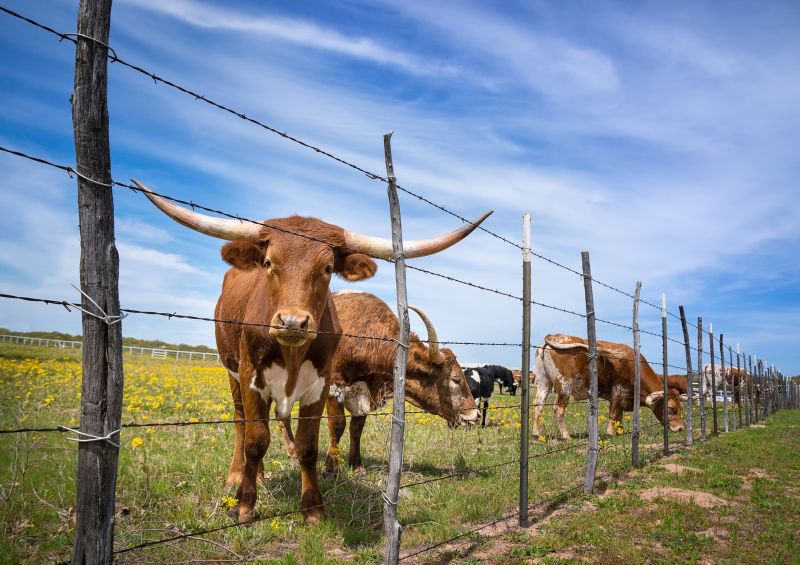
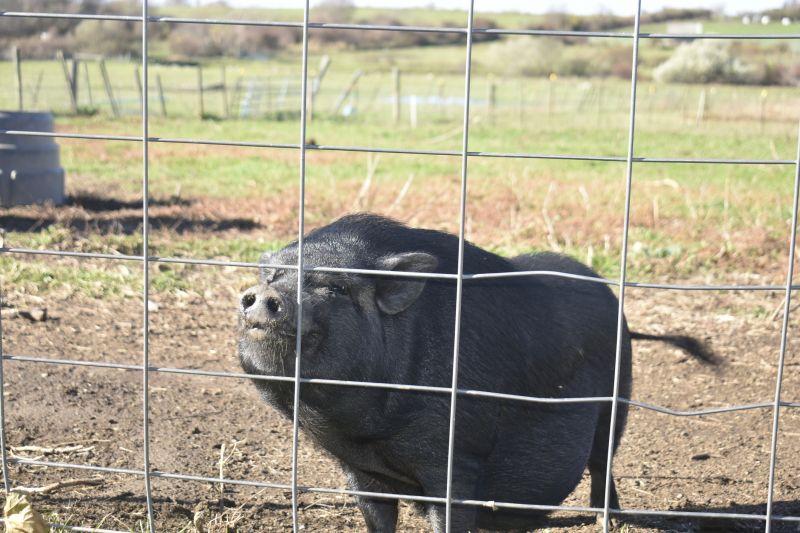
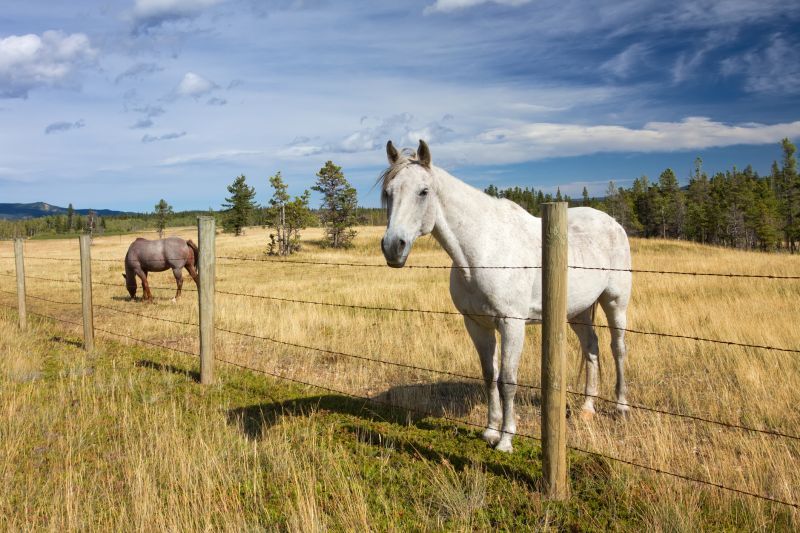
Livestock fencing installation involves setting up durable barriers around properties to contain animals and prevent them from wandering off. These fences are designed to withstand the wear and tear caused by livestock such as cattle, horses, goats, or sheep. The process typically includes assessing the property’s layout, selecting appropriate fencing materials, and installing posts and fencing panels to create a secure enclosure. Proper installation ensures that animals remain safely within designated areas while also providing a clear boundary that helps property owners manage their livestock effectively.
This service addresses common problems such as animals escaping or wandering onto neighboring properties, which can lead to safety concerns or property damage. Livestock fencing also helps prevent predators from entering the enclosed area, offering peace of mind for property owners. Additionally, it can reduce the risk of animals injuring themselves by wandering into hazardous areas like busy roads or uneven terrain. Well-installed fencing contributes to better herd management, making daily chores easier and more efficient for those who keep livestock.
Properties that typically utilize livestock fencing include farms, ranches, and rural homesteads where raising animals is a primary activity. Larger rural properties often require extensive fencing to contain multiple animals over vast areas. Even some suburban or semi-rural properties with smaller herds or pet livestock may benefit from fencing solutions tailored to their specific needs. In all cases, local contractors can recommend fencing types suited to the property’s size, the animals involved, and the terrain, ensuring a secure and long-lasting enclosure.
Homeowners with hobby farms or small holdings might also consider livestock fencing to create safe spaces for their animals. This service can be useful for those looking to keep goats, chickens, or other small farm animals contained within a designated area. Whether for practical farm management or personal pet safety, local service providers can help determine the best fencing options and handle the installation efficiently. Contacting experienced contractors ensures that the fencing will be properly installed to meet the specific needs of each property and livestock type.
The overview below groups typical Livestock Fencing Installation projects into broad ranges so you can see how smaller, mid-sized, and larger jobs often compare in your area.
In many markets, a large share of routine jobs stays in the lower and middle ranges, while only a smaller percentage of projects moves into the highest bands when the work is more complex or site conditions are harder than average.
Smaller Repairs - typical costs for minor fence repairs or replacing a small section usually range from $250-$600. Many routine projects fall into this middle range, with fewer jobs reaching the higher end of the spectrum.
Basic Fence Installation - installing a standard livestock fence often costs between $1,200 and $3,500 depending on property size and materials. Most local contractors handle projects within this range, with larger properties pushing costs higher.
Full Fence Replacement - replacing an existing fence or installing a new, extensive perimeter can range from $4,000 to $8,000 or more. Larger, more complex projects tend to fall into the higher tiers, but many projects stay within the mid-range.
Custom or High-End Fencing - specialized or premium fencing options can exceed $10,000 for large, intricate installations. These projects are less common and typically represent the upper end of the cost spectrum for livestock fencing services.
Actual totals will depend on details like access to the work area, the scope of the project, and the materials selected, so use these as general starting points rather than exact figures.
Poultry Enclosure Installation - local contractors can install secure fencing for poultry coops, utilizing similar materials and planning to ensure safety and containment.
Garden Fence Setup - professionals experienced in fencing can help define garden boundaries and protect plants using comparable tools and techniques.
Animal Run Construction - local service providers can build outdoor enclosures for pets or small livestock, requiring similar fencing skills and site preparation.
Farm Field Boundary Fencing - experts can install fences to delineate large agricultural areas, applying similar planning and installation methods as livestock fencing.
Horse Stall and Arena Fencing - contractors familiar with fencing projects can set up safe and durable enclosures for equine facilities, sharing skills with livestock fencing installation.
Vineyard or Orchard Fencing - specialists can install protective fencing around crops, using comparable tools and planning processes to livestock fencing services.
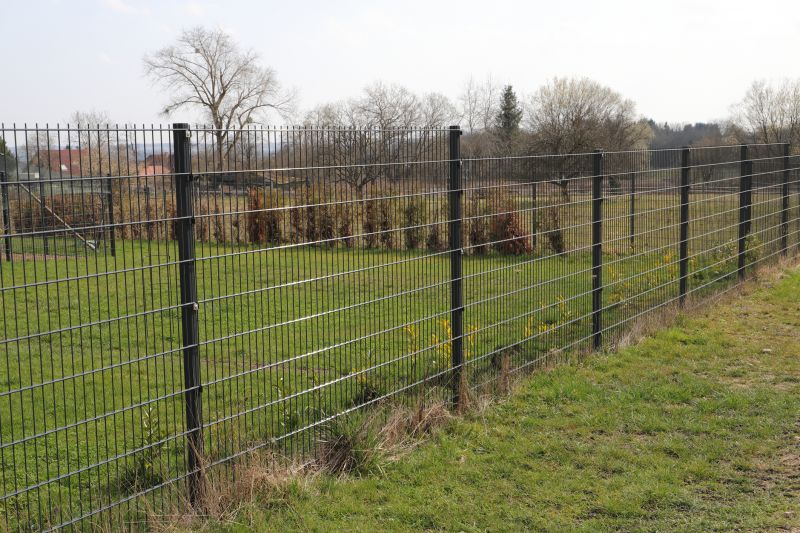
When comparing service providers for livestock fencing installation, it’s important to consider their experience with similar projects. Homeowners should inquire about how many fencing jobs they have completed that are comparable in size and scope. An experienced contractor will have a clear understanding of the specific requirements for livestock enclosures, including the best materials and techniques to ensure durability and safety. This familiarity can help prevent common issues and contribute to a smoother installation process.
Clear written expectations are essential when selecting a local contractor. Homeowners should seek providers who can offer detailed descriptions of the work involved, including the materials used, the steps of the installation process, and any necessary preparations or follow-up. Having this information in writing helps ensure both parties have a shared understanding of the project scope, reducing the potential for misunderstandings or surprises along the way. It also provides a basis for comparing different contractors’ approaches and professionalism.
Reputable references and effective communication are key indicators of a reliable service provider. Homeowners are encouraged to ask potential contractors for references from previous clients with similar fencing projects. Speaking with past customers can provide insights into the contractor’s workmanship, reliability, and how well they communicate throughout the project. Good communication includes prompt responses to questions, transparency about the process, and a willingness to address concerns. These qualities help create a positive working relationship and increase confidence in the chosen local pros, who can handle the fencing installation efficiently and professionally.
Property owners use Livestock Fencing Installation services for practical projects around their homes and businesses. This guide focuses on everyday jobs and straightforward project options.
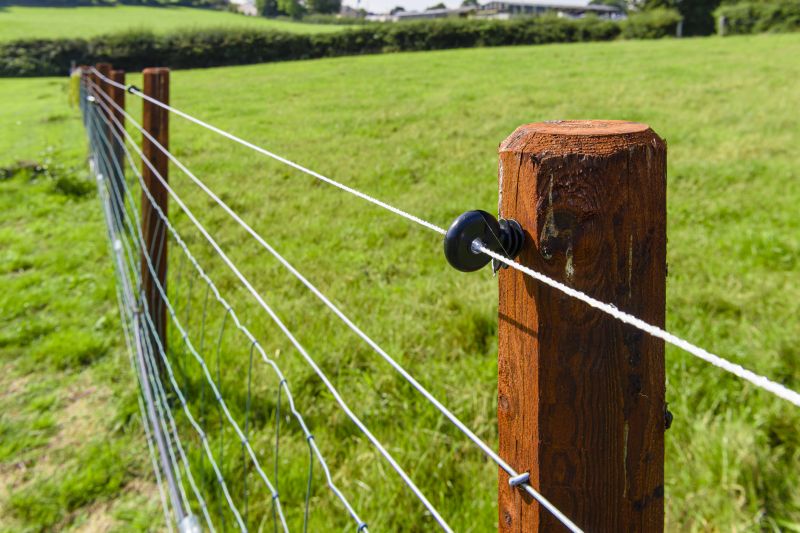
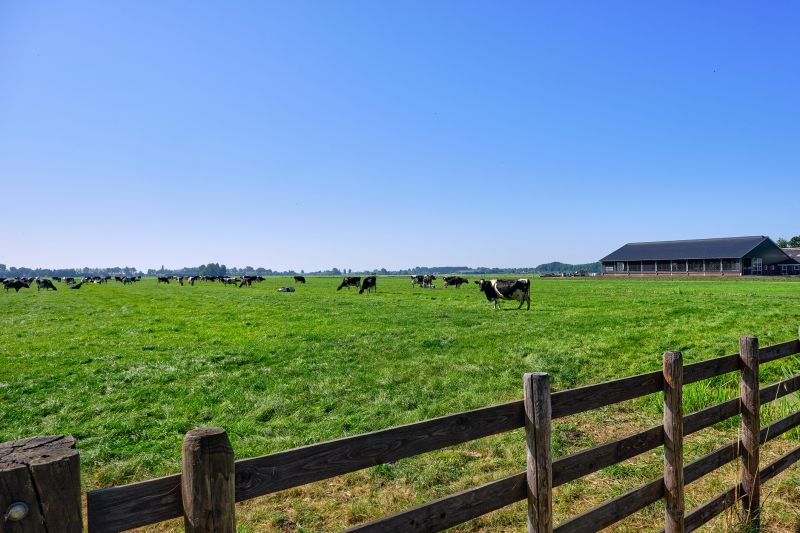
Livestock fencing installation is a common project for property owners who need to contain animals or define boundaries on their land. Whether someone is setting up a new pasture, replacing an aging fence, or adding additional enclosures, local contractors can provide the expertise needed to complete these projects efficiently. Many property owners seek fencing solutions to keep livestock secure, prevent unwanted visitors, or simply organize their land more effectively.
In everyday situations, property owners might look for fencing services after purchasing new land, experiencing damage to existing fences, or wanting to improve the safety of their livestock. Local service providers are equipped to handle various types of fencing materials and styles, making it easier for property owners to find a solution that fits their needs. Connecting with experienced local contractors can help ensure that fencing work is completed to meet specific property requirements and land management goals.
What types of fencing materials do local contractors install for livestock? Local service providers typically install various fencing materials such as wire, wood, vinyl, and electric fencing to suit different livestock needs.
Can local contractors help with custom fencing designs for different livestock? Yes, many local pros can tailor fencing solutions to accommodate specific types of livestock and property layouts.
Are there fencing options suitable for large or irregularly shaped properties? Yes, experienced local contractors can design and install fencing systems that work effectively on large or uniquely shaped properties.
What are common considerations when choosing livestock fencing? Factors such as durability, livestock safety, property size, and maintenance requirements are typically considered by local service providers during installation.
Do local fencing contractors provide ongoing maintenance or repairs? Many local pros offer maintenance and repair services to ensure livestock fencing remains functional and secure over time.
Farm Boundary Fencing - Install fencing to clearly mark property boundaries and prevent livestock from wandering off the land.
Animal Enclosure Setup - Create secure enclosures for pets or farm animals to keep them safe and contained.
Garden Protection Fencing - Use fencing to keep out wildlife and protect vegetable gardens or flower beds.
Erosion Control Fencing - Implement fencing along slopes or waterways to help control soil erosion and manage land use.
If you are thinking about Livestock Fencing Installation for a property, this guide is meant to help you understand the work, the typical project types, and how different options might fit your plans.
When you are ready, you can use the quote form on this page to share a few details about your project. From there, local pros can review the basics and respond with options that match what you have in mind.